
1. Strategic location: deep-sea in, Eastern Europe out
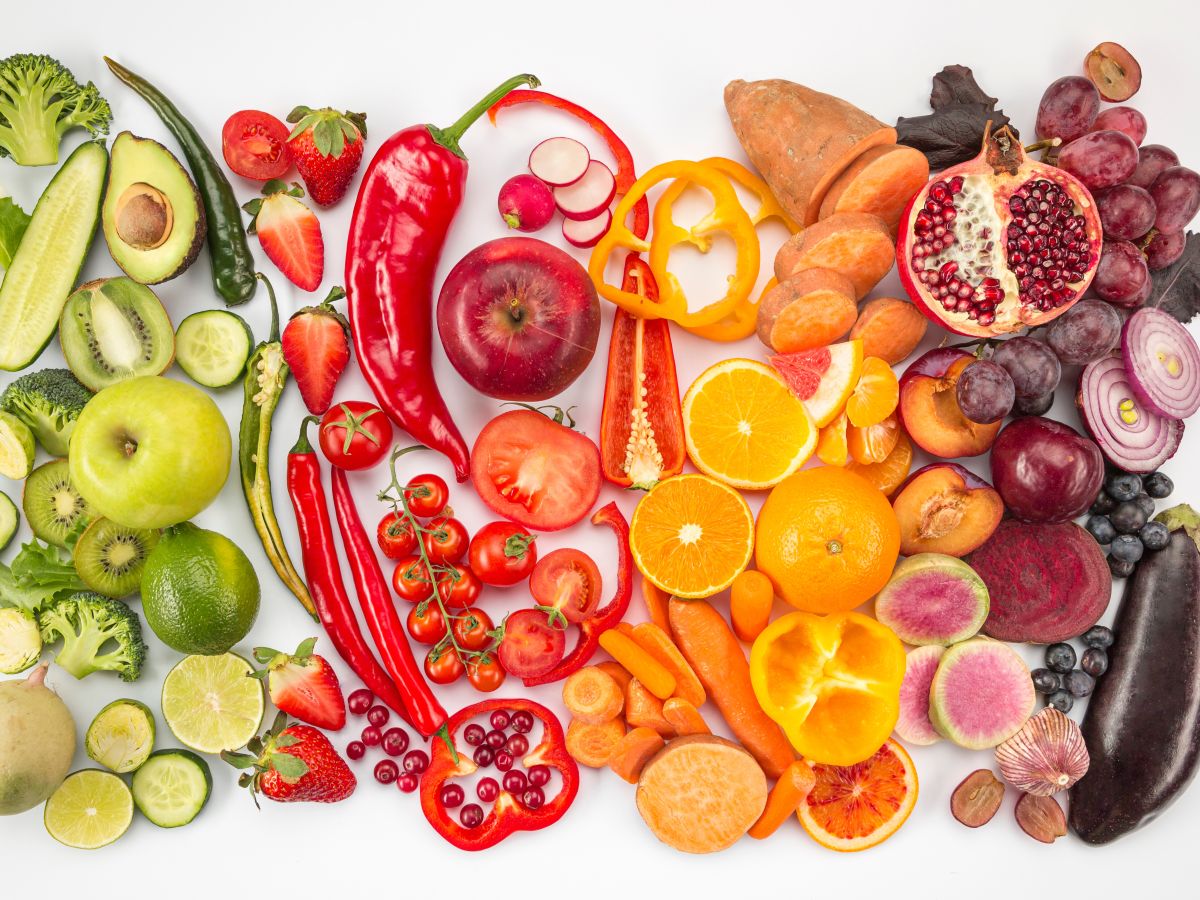
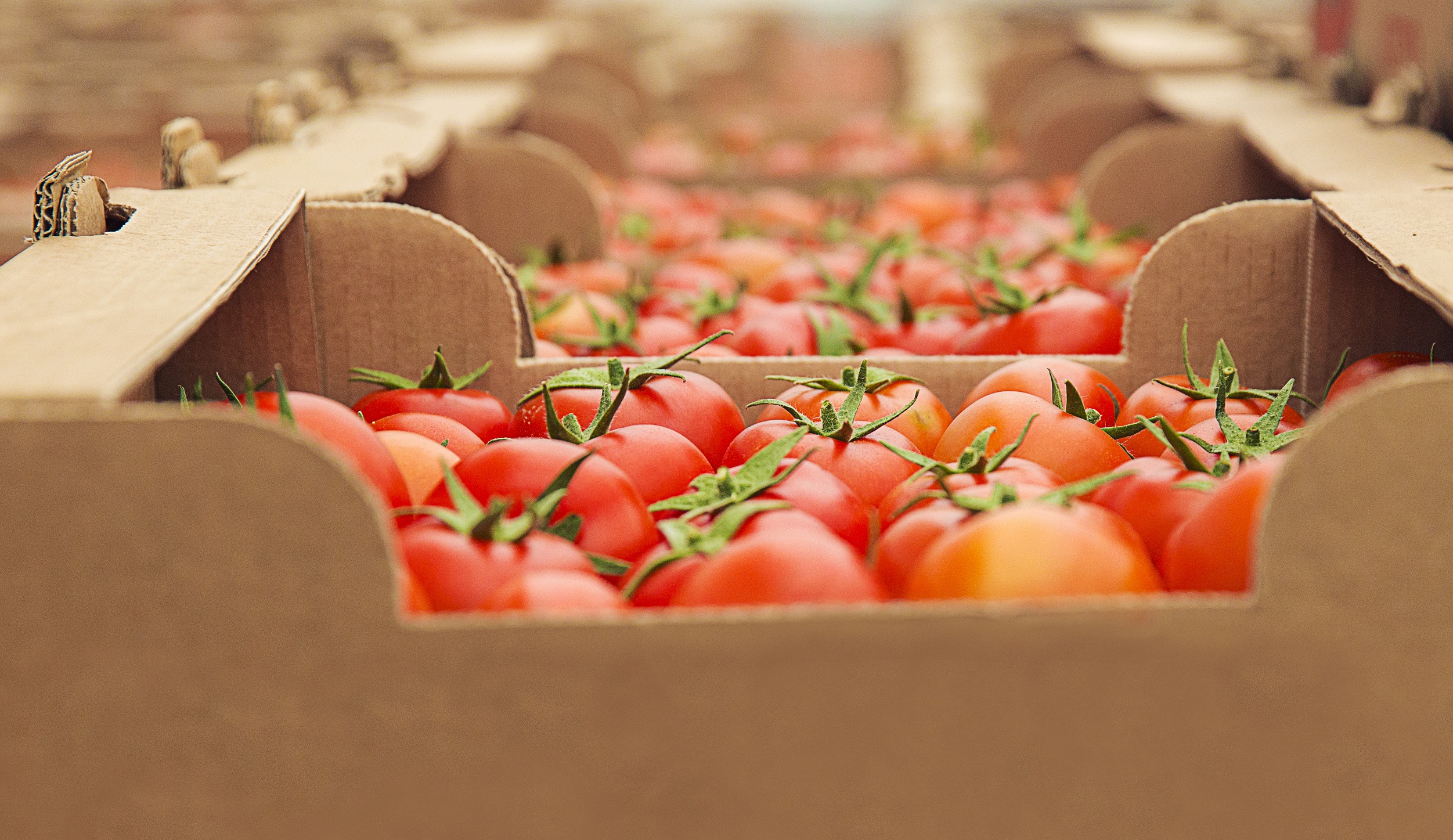
- Deep-sea hub: daily calls from Latin America, Africa, and the Mediterranean ensure a constant supply of fresh produce (avocados, citrus, grapes, stone fruit, tomatoes, bell peppers).
- Modal intersection: direct from the terminal to refrigerated transport by road, reefer-rail (via NL–DE–PL to UA and beyond), or short-sea to the Black Sea and Eastern Europe.
- Consolidation point: combine multiple origins in a single cross-dock, minimize empty kilometers, and reduce your purchasing risks.
2. Cold chain that minimizes losses
- Cooling and freezing capacity at/next to the terminal: rapid “quay-to-coolstore” transfer prevents temperature peaks.
- Ripening & value-added services: controlled ripening (ready-to-eat), sorting, stickering, and multilingual labeling for local retail standards.
- Managed logistics: temperature and shock logging, real-time tracking, ethylene management, and first-expiry-first-out.
Result: higher on-shelf quality, fewer claims, predictable margins.
3. Customs, phytosanitary checks, and certification: fast and efficient
- Geolocalized inspection ecosystem: veterinary/phytosanitary checks near the terminal shorten the lead time.
- Paperwork under control: efficient processing of (e-)phytosanitary certificates, certificates of origin, and T1 transit.
- Quality standards: integration with GlobalG.A.P./HACCP chains simplifies acceptance at retail.
Benefits for buyers: less administrative friction, predictable lead times, compliance by design.
4. Three fast corridors to Eastern Europe
a) Road (refrigerated trailers)
- Best for: mixed shipments, tight delivery times, supermarket distribution centers.
- Typical routes: Rotterdam → Germany/Poland → Ukraine, Moldova, Transnistria; or via Central Europe to the Caucasus.
- Plus: Door-to-door control, flexible loading slots.
b) Rail (reefer/express intermodal)
- Best for: larger volumes, stable flows to Kazakhstan and beyond; cost-efficient over medium distances.
- Plus: lower CO₂ per tonne/km, fixed departure rhythms, reduced risk of congestion.
c) Short-sea & feeder
- Best for: bulk flows to the Black Sea region and the Caucasus (Georgia).
- Plus: advantageous during seasonal peaks and for non-urgent volumes.
5. Country-specific considerations
- Focus: speed & continuity.
- Why Rotterdam: Daily availability, fast cross-docking to UA corridors, support with phytosanitary documentation.
- Focus: Route planning via Moldova, streamlined document flow.
- Why Rotterdam: Experience with regional transit and multilingual labeling/retail requirements.
- Focus: Long distance, consistency & MRL compliance.
- Why Rotterdam: Intermodal solutions (rail + road), temperature-controlled consolidation, streamlined document flow.
- Focus: Growing retail, short-sea/feeder, and road.
- Why Rotterdam: Scalable volumes, customized ripening, fast transit to Tbilisi/Batumi.
- Focus: Price-quality & flexibility.
- Why Rotterdam: Bundling of EU origins + exotics (avocado, citrus, grapes), including private label deliveries.
- Focus: Varying admission regulations, strict quality control.
- Why Rotterdam: Experienced document management, pre-departure quality screening, stable supply.
NB: Regulations and market routes may change; we always deliver in accordance with current requirements and advise on the best route.
6. Costs, Risk & Performance: Why the TCO is lower via Rotterdam
- Higher ship frequency = lower safety stock at the recipient.
- Reduced losses due to a short “quay-to-cool” time and controlled ripening.
- Reduced claims thanks to uniform QC reporting and temperature logs.
- Economies of scale during promotional peaks (Easter, summer, end of year).
7. Value-added services that make the difference for retail
- Ripening profiles per chain (RTE window aligned with DC throughput).
- Consumer-ready packaging (nets, flow packs, private label, multilingual allergens/country of origin).
- Data sharing (ETAs, batch tracking, MRL results) for faster listing at the purchasing department.
FAQ (for buyers)
Do you deliver ready-to-eat?
Yes, with different ripening profiles per country/route.
Can we combine multiple origins?
Yes, consolidation from Rotterdam is precisely our strength (EU + overseas).
Do you help with certificates/labels?
Yes, phytosanitary, origin, KCB and QC inspections, multilingual labels, and batch traceability.
Would you like faster, fresher, and more reliable deliveries to Ukraine, Transnistria, Kazakhstan, Georgia, Moldova, or Russia? Contact us for a customized route and cost proposal or schedule an appointment during your next purchasing round.