The demand for sustainable packaging for fruits and vegetables is growing exponentially across Europe. We are also seeing a clear shift in Eastern Europe: consumers are increasingly choosing products with environmentally friendly packaging. For supermarkets in this region, this not only offers opportunities to respond to changing expectations but also to differentiate themselves in a competitive market.
Why sustainable packaging is inevitable
Plastic packaging for fruits and vegetables is under pressure worldwide. European legislation is becoming stricter, with guidelines that discourage single-use plastics and encourage recycling. At the same time, consumers – including in Eastern Europe – expect retailers to reduce their environmental footprint.
This is a key concern for companies active in the sustainable export of fruits and vegetables. Packaging that does not meet sustainability requirements can pose a barrier to market access, while innovative solutions can open doors.
Alternatives to plastic: what are the options?
The eco-friendly retail packaging market now offers several promising alternatives:
Compostable materials:
Packaging made from PLA (polylactic acid) or cellulose biodegrades after use. These are particularly suitable for short-shelf-life products such as lettuce, herbs, and soft fruit.
Recycled cardboard and paper:
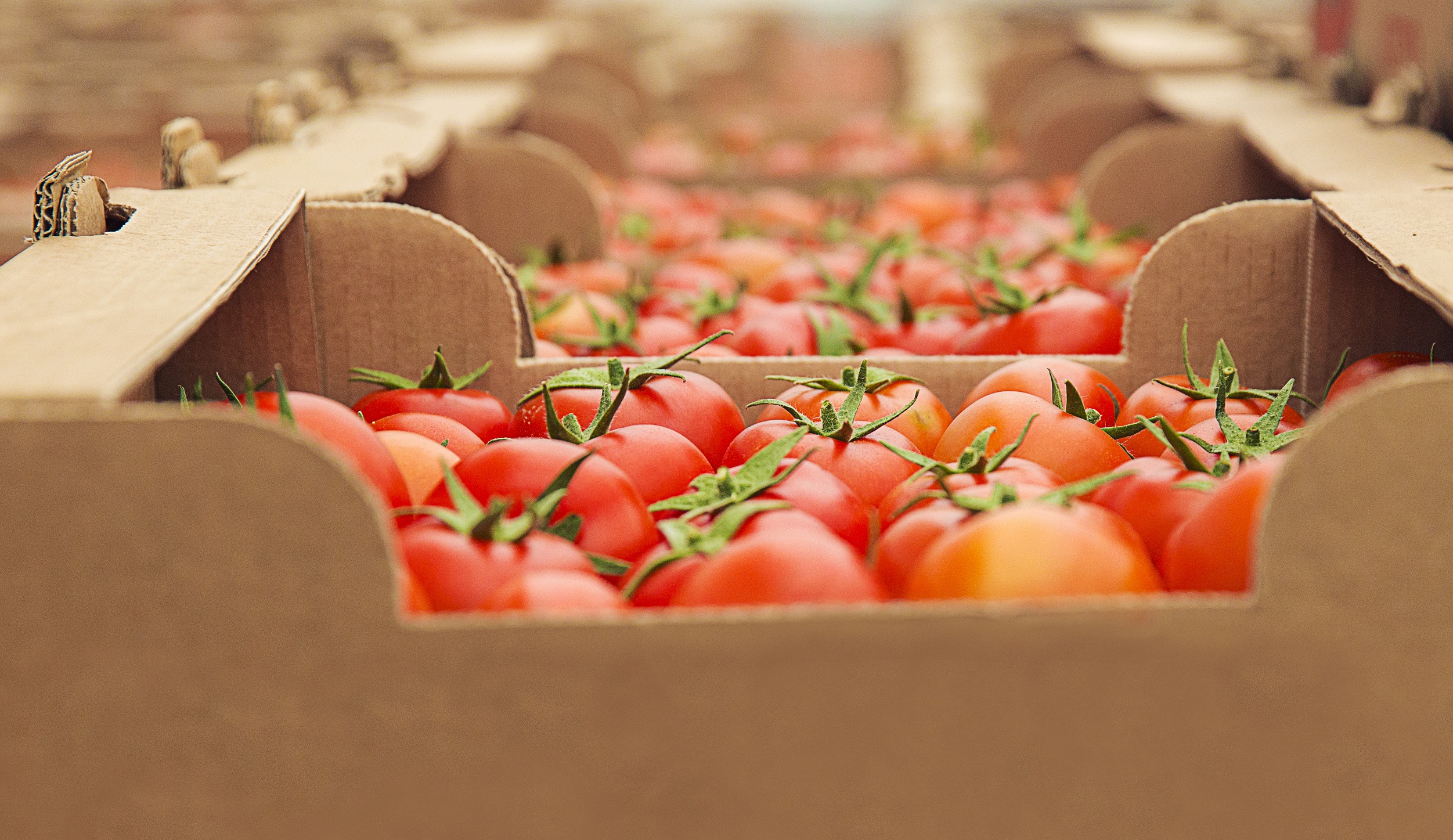
Lightweight paper bags and cardboard trays are increasingly popular for products like mushrooms, tomatoes, and potatoes. They are easily recyclable and directly communicate the retailer’s sustainable ambition.
Reusable nets and bags:
More and more supermarkets are offering washable nets in the produce aisle. This encourages conscious shopping behavior and drastically reduces packaging waste.
Innovative coatings:
Natural coatings based on beeswax or plant-based substances can extend the shelf life of unpackaged products, sometimes even making packaging unnecessary.
Biodegradable films:
For products that require protection, films made from starch or algae that are fully biodegradable are available.
Consumer Trends in Eastern Europe
The Eastern European consumer is evolving rapidly. Research shows that younger generations, in particular, are willing to pay more for products with sustainable packaging for fruits and vegetables. Key trends:
- Transparency: Buyers want to know what packaging is made of and how it should be disposed of.
- Local Production: Sustainability is associated with short supply chains and regional origin.
- Visual Recognition: Green labels and clear symbols help consumers make their choice.
- Less is More: The desire to buy unpackaged products is increasing, especially for organic products.
Retailers who capitalize on these trends strengthen their brand image and build customer loyalty.
Benefits for Supermarkets
The switch to eco-friendly packaging offers concrete business advantages:
Brand Differentiation:
In a market where price competition is fierce, sustainability helps retailers stand out. Supermarkets that pioneer green packaging attract a growing segment of conscious consumers.
Regulatory Compliance:
By focusing on sustainable alternatives now, retailers anticipate upcoming legislation and avoid future adjustment costs.
Long-term cost savings:
While the initial investment may be higher, the cost of sustainable materials decreases as scale increases. Furthermore, lighter packaging can reduce transportation costs.
Positive PR:
Sustainability initiatives generate media attention and social media engagement, which generates free brand awareness.
Reduced food waste:
Better packaging contributes to a longer shelf life, which reduces waste in the supply chain and improves margins.
Practical implementation for retailers
For supermarkets wanting to make the transition, there are several important steps:
- Start with data: Analyze which products use the most plastic and start there.
- Pilot projects: Test new packaging in selected stores first to gauge customer reaction.
- Communication: Actively inform consumers about the changes and their benefits.
- Partnerships: Collaborate with suppliers who facilitate sustainable fruit and vegetable exports with suitable packaging solutions.
- Certifications: Consider labels such as FSC, Cradle to Cradle, or compostability certificates to strengthen credibility.
Opportunities Specific to Eastern Europe
The Eastern European market offers unique opportunities for retailers who lead the way:
First-mover advantage:
In many regions, the market for sustainable fruit and vegetable packaging is still underdeveloped, giving early adopters a competitive advantage.
EU subsidies:
Various funding programs support green innovations in new EU member states.
Growing purchasing power:
As prosperity increases, so does the willingness to invest in sustainability.
Export opportunities:
Products with eco-certifications have better access to Western European markets.
The future is green.
The transition to sustainable packaging is not a temporary trend but a structural market change. Retailers in Eastern Europe who are now investing in eco-friendly packaging are positioning themselves as forward-thinking players who respond to both consumer needs and regulations.
For companies in the fruit and vegetable sector, this means: seek partners with expertise in sustainable logistics, invest in employee and customer training, and dare to experiment with new materials. The investment will pay off in brand value, customer loyalty, and operational efficiency.
Ready to switch to sustainable packaging?
We help retailers and exporters in Eastern Europe transition to eco-friendly packaging solutions. Whether you’re looking for compostable alternatives for your fresh produce department or want to develop a complete packaging strategy, we’re happy to work with you.
Contact us for a free consultation about how sustainable fruit and vegetable packaging can strengthen your business. Together, we’ll explore which solutions best suit your product range and target audience.
Start building a more sustainable future for your retail business today.